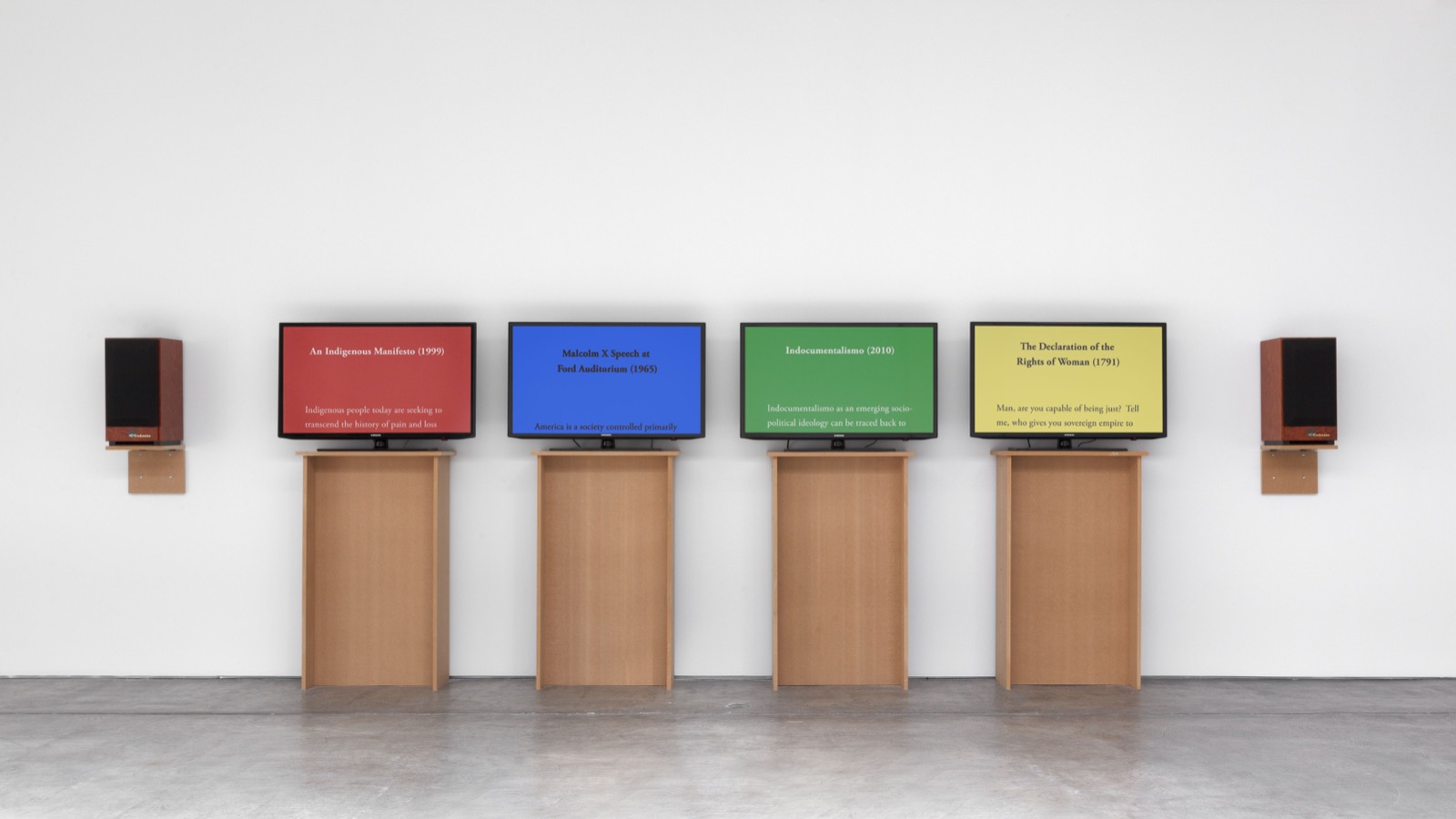
Charles Gaines.
Art based on systems, archived with WrkLst.
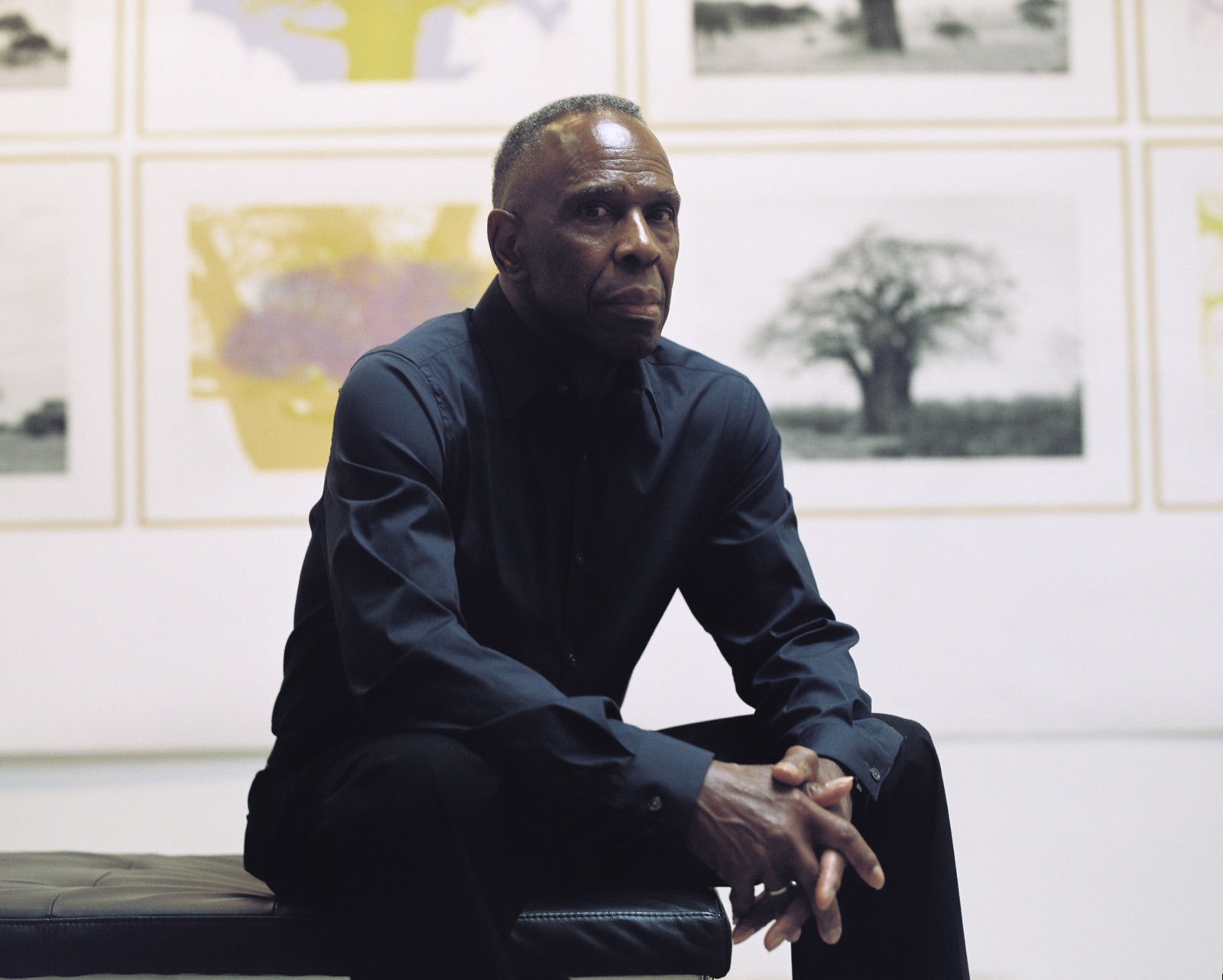
At a glance
- Artist
- Charles Gaines, born 1944 in Charleston, South Carolina, lives in Los Angeles
- Studio
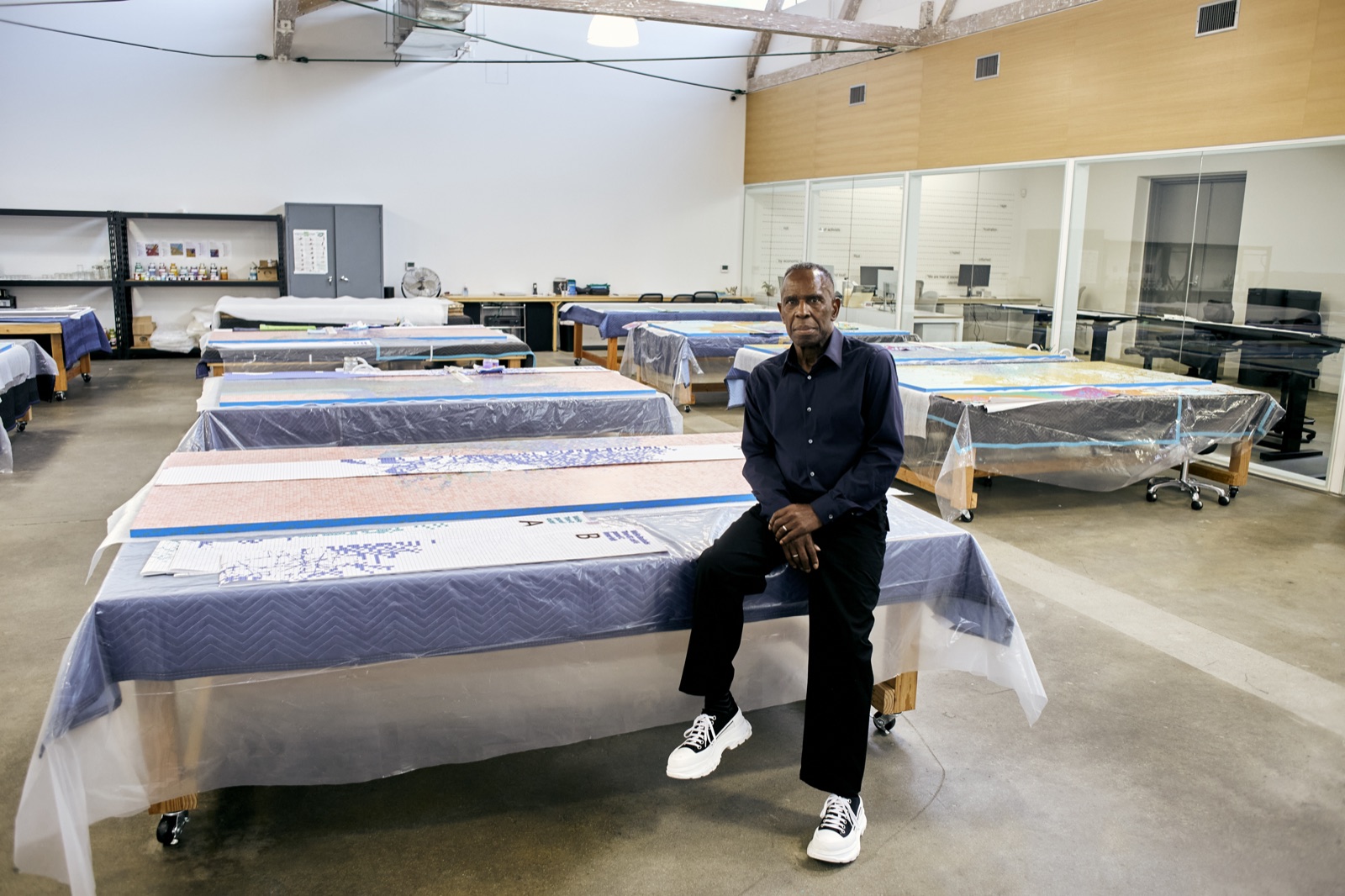
- Vernon, California: a former warehouse of about 1,000 square metres, converted in 2021 with a production floor, a drawing room, conference room, offices and storage
- Team
- A trusted team of 21 specialists, including an archivist
- Teaching
- More than three decades at CalArts, now retired
- With WrkLst since
- 2017
- Advisory board
- Member since 2017
- Gallery
- Hauser & Wirth
Five decades of systems.
- 1974 – 2016
From Gaines’s early experiments with grids and systems in the 1970s to the language works that developed later in his career, an arc captured in the survey exhibition Gridwork 1974–1989 at the Studio Museum in Harlem and the Hammer Museum in 2015, and by his inclusion in the 56th Venice Biennale later that year.
- 2017
The studio brings four decades of work into WrkLst, and Charles Gaines joins the advisory board.
- 2018
Faces 1: Identity Politics at Paula Cooper Gallery in New York.
- 2019
Gaines is awarded the Edward MacDowell Medal; Palm Trees and Other Works at Hauser & Wirth in Los Angeles.
- 2021
The studio moves into a former warehouse in Vernon, converted into a studio with the architect Peter Tolkin, and the archive moves in with it; a focused survey opens at Dia Beacon, as does an exhibition of new work commissioned by the San Francisco Museum of Modern Art.
- 2022
Moving Chains, his largest public work, opens on Governors Island in collaboration with Creative Time and Times Square Arts; election to the American Academy of Arts and Letters.
- 2023
Southern Trees at Hauser & Wirth in New York; the survey Charles Gaines: 1992–2023 opens at ICA Miami and travels to the Phoenix Art Museum.
- 2025
New Numbers and Trees, from photographs of baobabs taken in Tanzania, at Hauser & Wirth in West Hollywood; Night/Crimes at the Art Institute of Chicago.
- 2026
Ciphering African Acacias and Supreme Court Decisions at Hauser & Wirth in Paris, with Manifestos 7.
Every work in its place in the system.
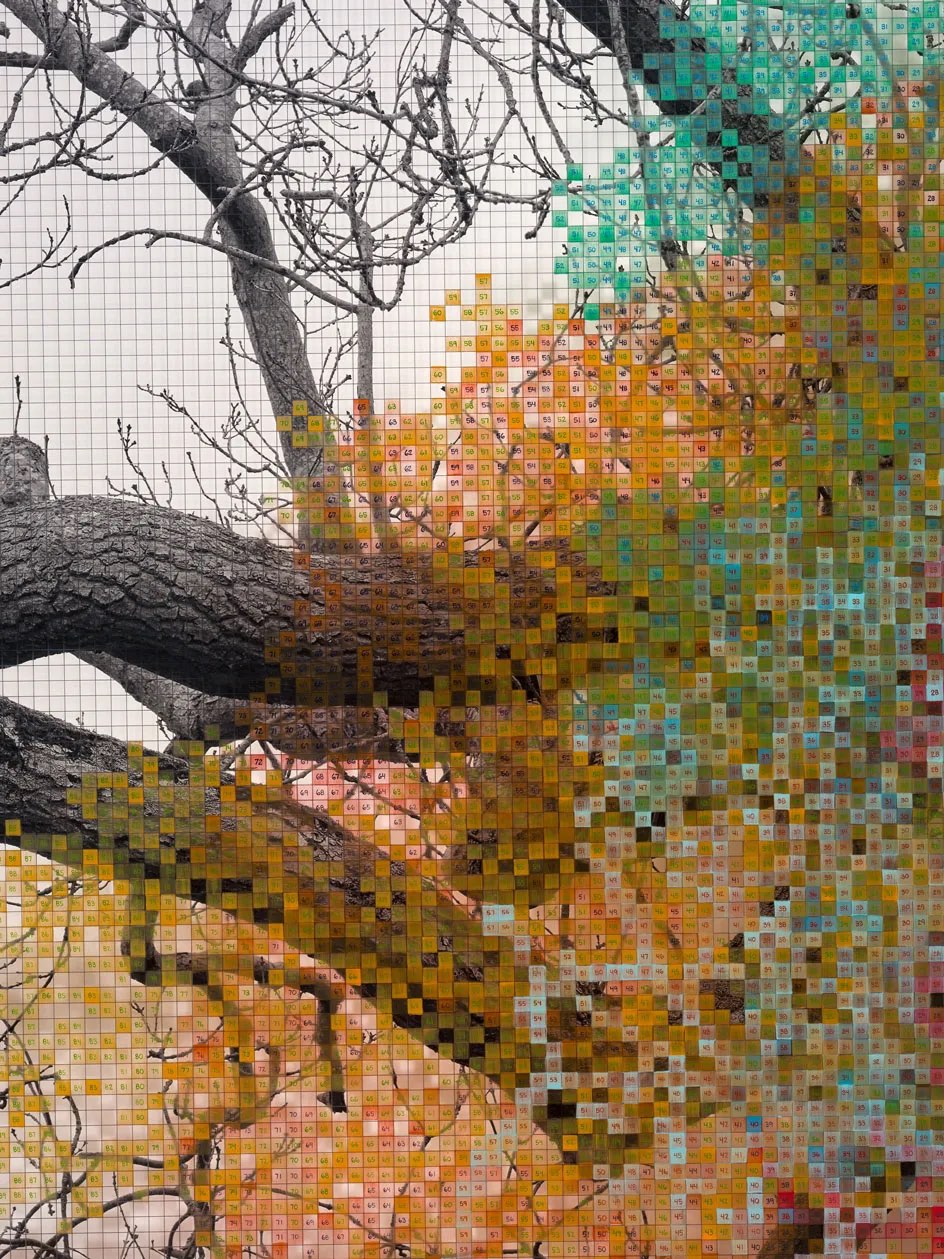
“If you ‘grid’ an object, then you’ve turned an object into a structure, but you haven’t undermined the object, the object is not lost,” Gaines has said of his grid works. He often works in series, usually of eight to eighteen works, each following the rules of its system.
In WrkLst every work carries its series, its number and its images, so a whole series — such as Regression Series, Group 1 — can be seen at once, and each work’s place in it stays clear.
- Series
- Numbering
- Images
- Exhibition history
- Search & filter
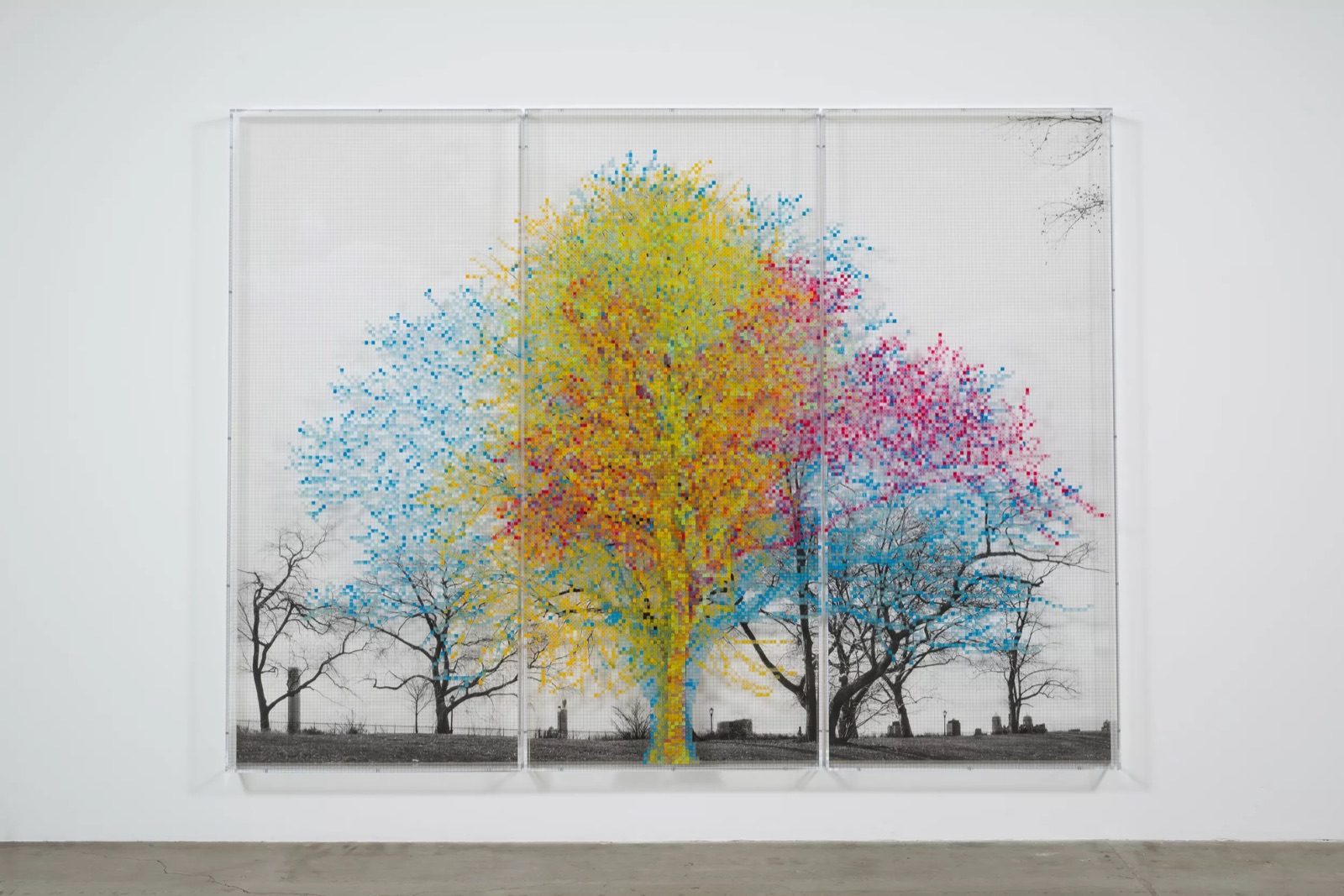
“There is now access because everything is organized.”
With the move to Vernon in 2021 the studio’s archive came on site. “Before, I didn’t know where anything was!” Gaines told Architectural Digest. “There is now access because everything is organized.”
In WrkLst the record of the work is organized the same way: where each work has been shown, who owns it or has borrowed it, where it was published and where it is stored — across five decades, for everyone in the studio who needs it.
- Exhibition history
- Owners and loans
- Publications
- Locations and shelves
- Media library
Specialists and archivists, one archive.
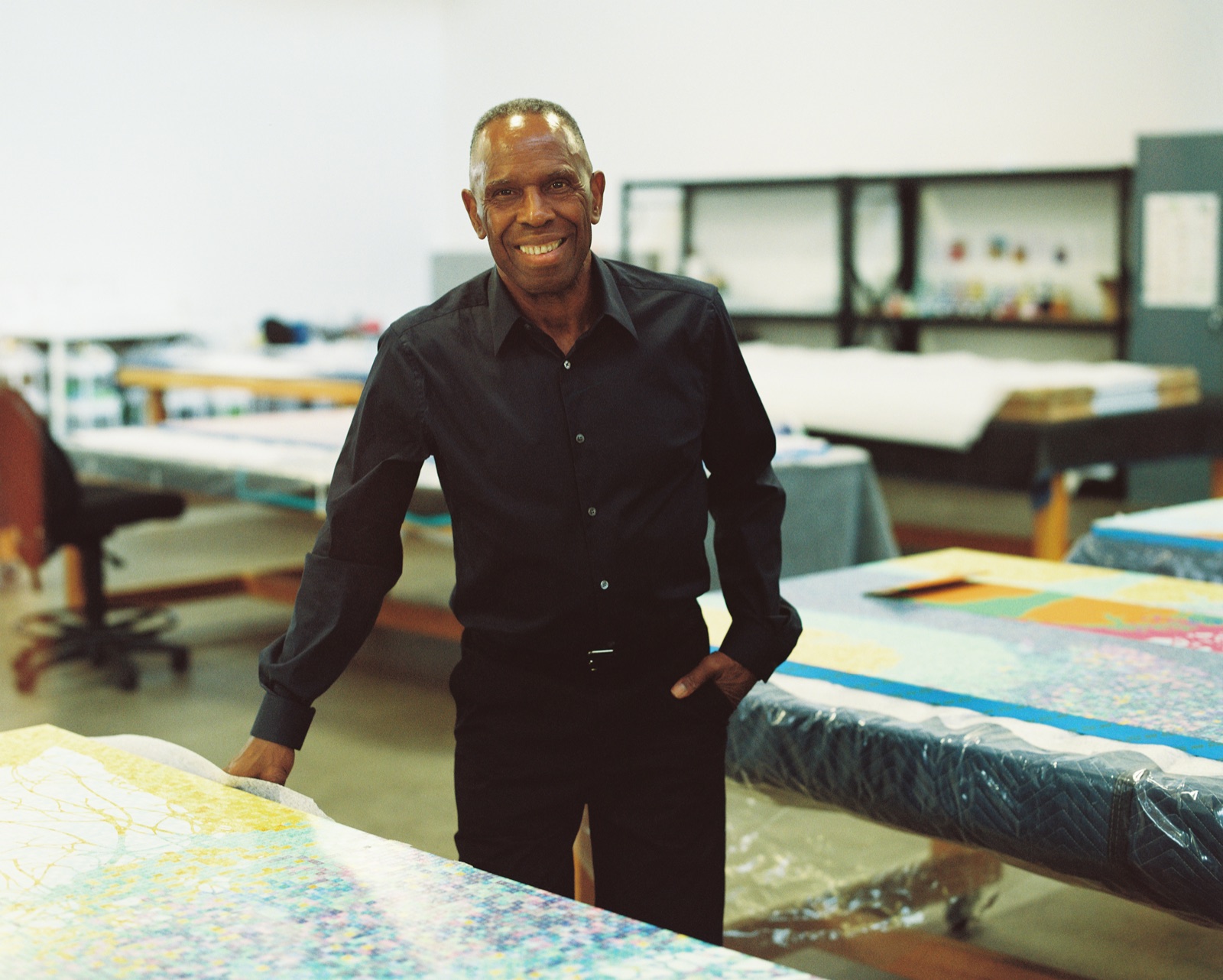
In Vernon Gaines works alongside a trusted team of specialists, including an archivist, each with their own expertise — in the Great Hall, in a closed drawing room for works on paper and in a gallery where works in production can hang. “My work is system-based,” Gaines told Architectural Digest. “One only sees fragments until a certain point when it all comes together.”
In WrkLst the studio and gallery teams work from the same archive, each with the access their work requires — from the work in production to the finished series, with its costs, its condition and its images.
- Roles and permissions
- Works in production
- Production costs
- Condition
- Images
From Dia Beacon to Governors Island.
A survey that travels from Miami to Phoenix, a focused presentation at Dia: each draws on works from the studio, from collections and from museums. In WrkLst each exhibition keeps its checklist, its loans and its shipments, and every work its history of where it has been.
- Checklists
- Loans
- Shipments
- Travelling exhibitions
- Public commissions